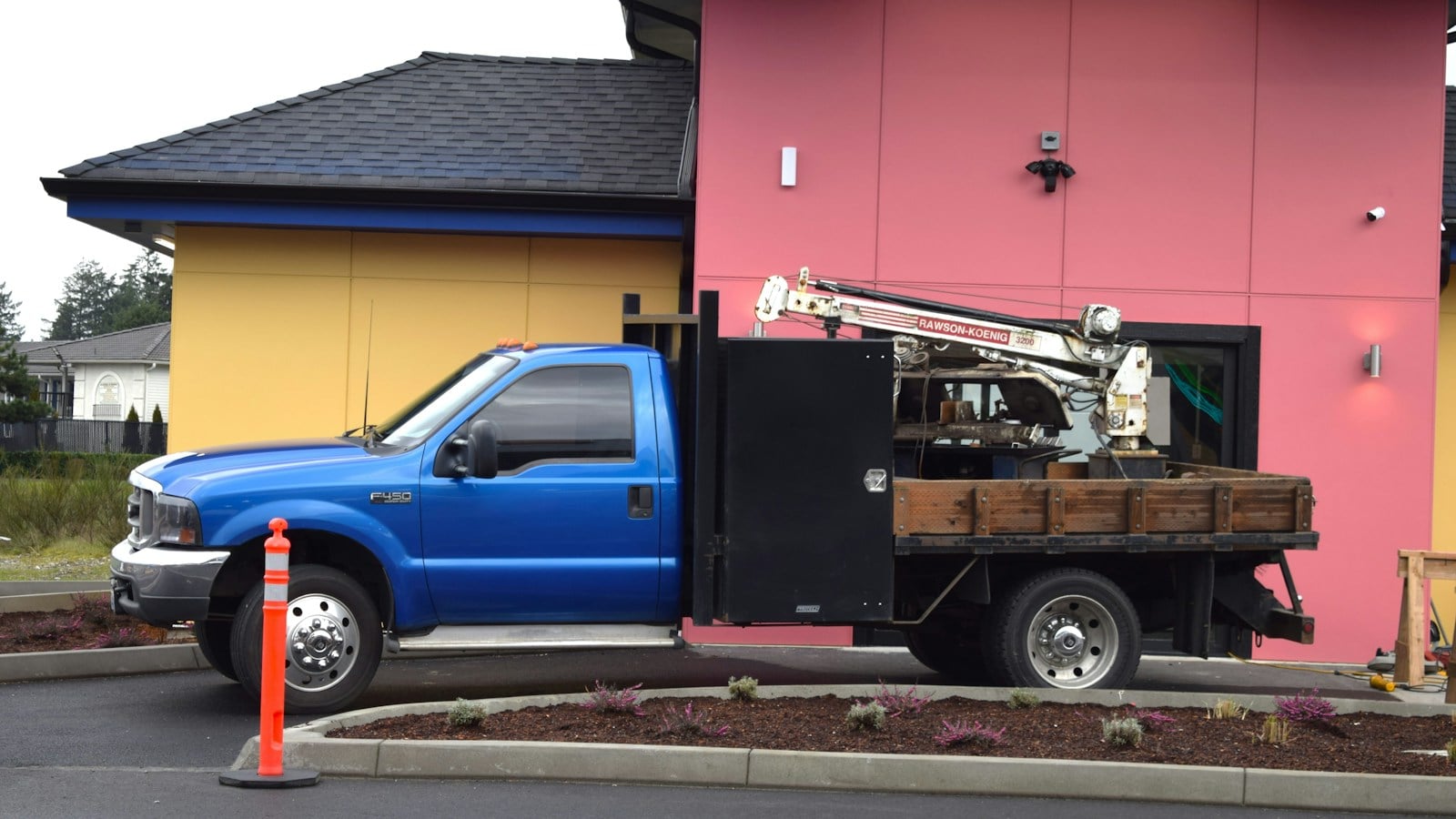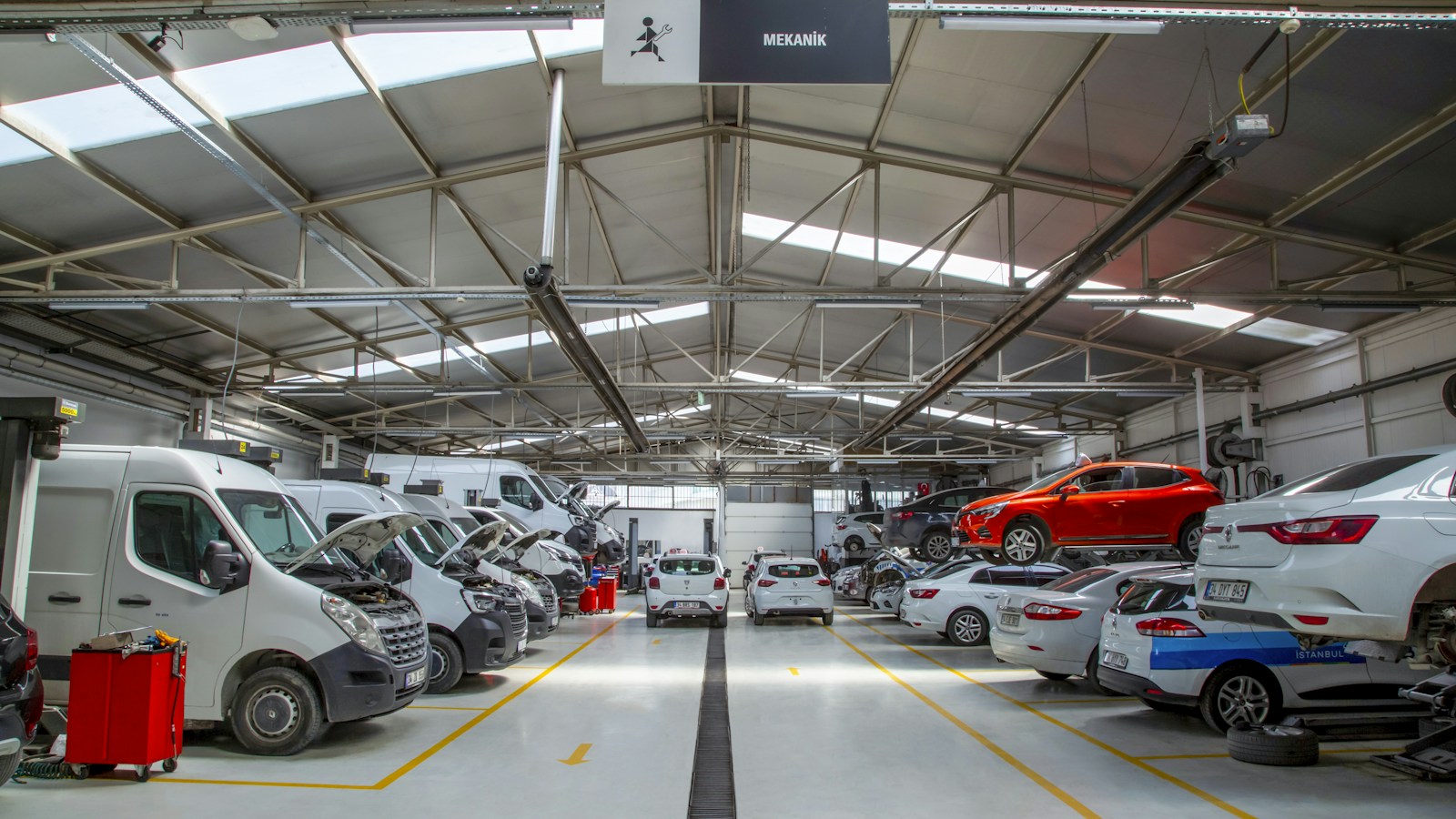

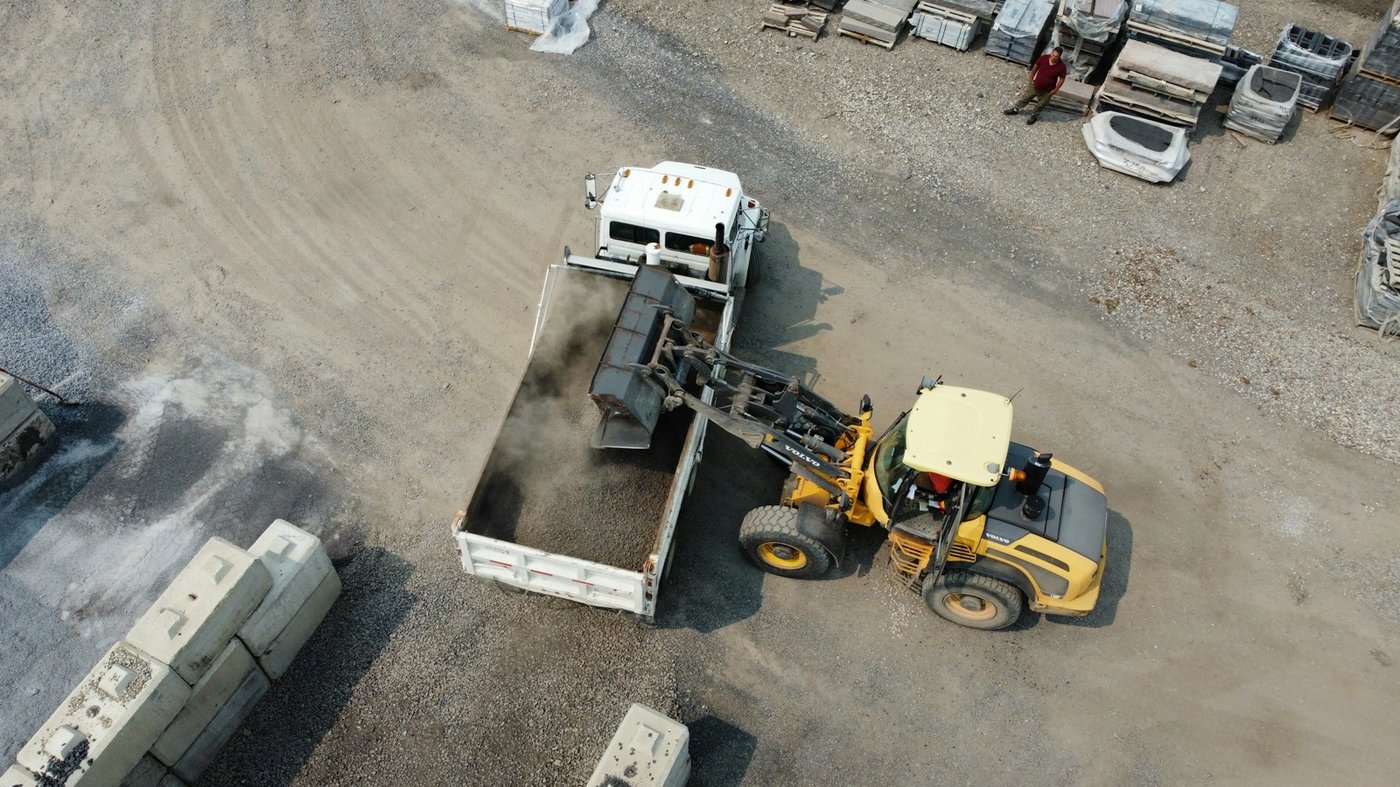
A construction business might have a fleet of trucks moving between jobs, excavators and loaders working on site, trailers transporting equipment, and generators and compressors supporting the operation.
A transportation company might have trucks and trailers alongside forklifts, yard equipment and other assets that keep its facilities running.
These are very different types of equipment, but they have something in common: they all belong to the same operation, and they all need to be maintained.
The problem is that maintenance information often ends up divided by asset type. Trucks are managed in one system, heavy equipment in another, trailers on a spreadsheet, and fixed equipment through separate service records.
Over time, this makes it harder to understand what is happening across the entire fleet.
The solution isn't to make every asset follow the same maintenance process. It's to manage them through one system that can accommodate their different requirements while keeping the information connected.
Your fleet is bigger than your trucks
It's easy to build a maintenance process around the most visible part of the fleet: the trucks.
But look beyond the vehicles and the list of assets can grow quickly.
A construction operation might be responsible for:
- Trucks, trailers and service vehicles
- Excavators, loaders, dozers and other heavy equipment
- Generators, compressors and pumps
- Forklifts and yard equipment
- Workshop machinery and supporting assets
Each one has a role in keeping the operation running. A problem with a generator can affect a job just as much as a problem with a truck. A trailer that isn't ready can prevent equipment from getting to site. A recurring fault with a loader can disrupt work across an entire crew.
When only the road fleet is included in the maintenance system, managers are working with an incomplete picture.
A better approach is to treat all relevant vehicles and equipment as part of the same maintenance operation, with a record for each individual asset.
One system doesn't mean one maintenance schedule
A mixed fleet brings different types of equipment together, but that doesn't mean they should all be maintained in the same way.
A truck might need servicing based on miles traveled. An excavator or loader may be maintained according to engine hours. A generator, compressor or other fixed asset may require servicing based on operating hours or calendar intervals.
A useful fleet equipment maintenance system needs to accommodate those differences.
For example, maintenance schedules should be able to:
- Trigger services based on miles, engine hours or days
- Apply different service intervals to different assets
- Provide advance notice when maintenance is approaching
- Keep usage readings current where supported telematics integrations are available
- Track scheduled servicing separately from unplanned repairs
This matters because a calendar reminder alone doesn't tell you how hard a machine has been working. Two pieces of equipment might have been purchased at the same time, but one could have accumulated significantly more operating hours than the other. Treating them identically can lead to maintenance being scheduled too early or too late.
The objective is to give every asset the maintenance schedule it needs, without managing each category through a completely separate system.
Keep the maintenance history with the asset
Knowing when a service is due is only one part of maintenance management. Teams also need to understand what has happened to an asset over time.
Consider a loader that develops a hydraulic fault.
The issue is reported, the maintenance team assesses it and a work order is created. Parts and labor are recorded, the repair is completed and the asset returns to operation.
That information becomes valuable when the same problem appears again, when managers need to review repair costs or when the business is deciding whether to keep the equipment.
But if the original fault report is in one system, the work order is somewhere else and the parts invoice is stored separately, it takes time to piece together the full history.
The same problem applies when maintenance is carried out by an outside shop. The work still needs to become part of the asset's record, even when the fleet's own technicians didn't complete it.
A connected maintenance record should bring together:
- Scheduled services and completed maintenance
- Inspections and reported faults
- Work orders and repair details
- Parts and labor associated with each job
- Maintenance history and supporting documents
This gives the next person working on the asset a more complete picture of what has already happened. It also gives fleet managers better information to compare maintenance activity and costs across different types of equipment.
Understand the cost across the whole fleet
Looking at total maintenance spend can be useful, but it doesn't necessarily tell you where the money is going.
A fleet might have relatively predictable maintenance costs across its trucks while a handful of equipment assets account for a disproportionate amount of repair spending.
Without asset-level information, those differences can be difficult to identify.
When parts, labor and repair activity are recorded against individual assets, managers can start asking more useful questions:
- Which vehicles or equipment are costing the most to maintain?
- Are certain assets generating repeated repairs?
- Are maintenance costs increasing over time?
- How much are we spending on equipment outside the road fleet?
- Which assets might need to be considered for replacement?
This is particularly relevant for businesses with expensive specialist equipment. A machine that appears reliable based on age or hours alone might have a history of frequent repairs and rising costs.
Having the maintenance history available makes those conversations more informed. It also helps businesses look beyond the immediate repair bill and understand the longer-term cost of keeping an asset in service.
Make sure the system works across different teams
A mixed fleet usually means more than one team is involved in keeping assets maintained.
Drivers might complete inspections on trucks, operators report issues with equipment on site, technicians manage repairs in the shop, while outside repairers and dealers handle other work. Managers need visibility across all of it.
If each team works in a separate system, information has to be passed between people and records manually. This creates more administration and makes it harder to understand which issues are still open. A connected system should give the people involved access to the information relevant to their work.
Drivers and operators need a straightforward way to report faults. Maintenance teams need to review issues, create work orders and record completed repairs. Managers need to see what is due, what is outstanding and what has been completed.
The system should also work alongside the other technology the business already uses. Telematics can provide usage information such as odometer and engine-hour readings, while accounting integrations can help connect purchasing information.
The goal isn't necessarily to replace every system in the operation. It's to make sure the information needed to manage maintenance can be brought together.
What to look for in mixed fleet maintenance software
When evaluating fleet equipment maintenance software, it's worth looking beyond whether a system can manage trucks.
Ask how it will handle the full range of assets your business is responsible for.
Can it accommodate different asset types and service schedules? Can you track trailers, heavy equipment and supporting assets alongside vehicles? Can inspections and faults be connected to work orders? Can parts and labor be recorded against individual assets? Can work completed by an external repairer become part of the same maintenance history?
It's also worth considering how the system will support your operation as it grows. Adding another site, equipment category or group of users shouldn't mean introducing another disconnected process.
The right system should give your team a consistent way to manage maintenance, while retaining the information and requirements specific to each asset.
How Gearbox supports mixed fleets
Gearbox is designed to bring maintenance information together across vehicles, trailers, heavy equipment and supporting assets.
Maintenance can be scheduled by miles, engine hours or days, with supported telematics integrations helping keep usage readings current. Teams can manage scheduled services and repairs through work orders, record parts and labor, and retain maintenance history against each asset.
Inspections, reported faults and completed work can also be connected to the relevant asset, giving maintenance teams and managers a clearer view of what has happened and what needs attention.
For businesses managing a mix of trucks and equipment, the aim is to have one maintenance system that accommodates the whole operation, rather than separate records for every type of asset.
Because a mixed fleet might have different maintenance requirements, but it is still one operation.